Leather is a byproduct of the food industry and is the result of an up-cycling tanning process consisting in the preservation and curing of raw material hides and splits that would otherwise go to waste and rot in landfills.
The whole tanning and finishing production cycle is intended to preserve the natural characteristics of leather, an extremely durable material that for its strength, flexibility and natural sensory appeal has been used for thousands of years in the most diverse applications from apparel, to shoes, from bags to interior and upholstered furniture applications.
Sustainability is at the heart of sirp corporate philosophy, it is a continuous journey that involves every aspect of our design and production process. From water management, to the reduction of emissions, to the use of sustainable finishing compounds, we are committed to ensuring that our sustainable leathers are not only synonymous with quality and innovation, but also with the respect for the environment and with transparent production practices.
We are aware and recognize that all production processes have an impact on the environment but we are against “green-washing” and the use of misleading information regarding the environmental attributes of our leathers and processes.
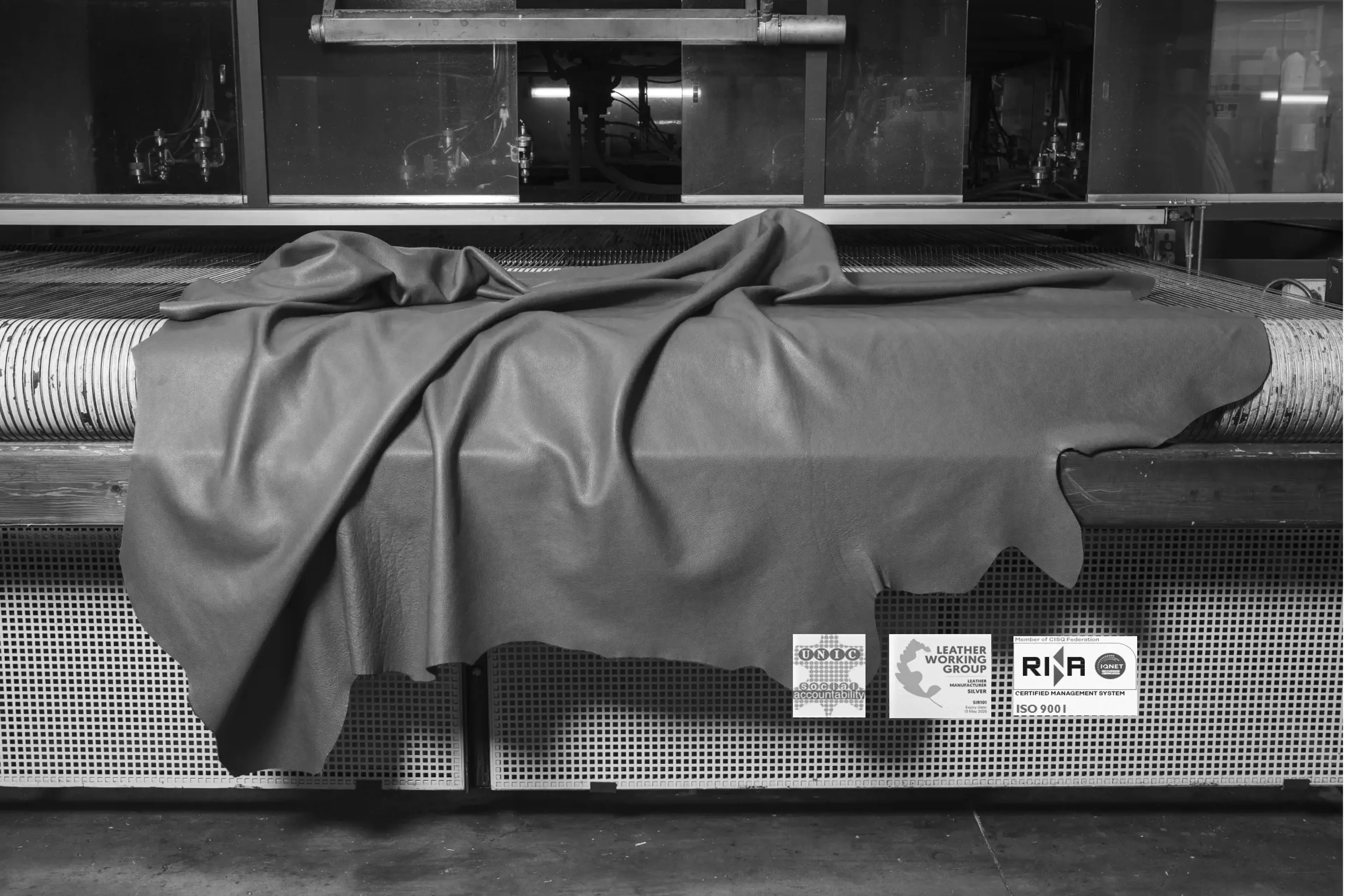
We are committed to the honesty and transparency of our statements regarding our products specifications and the compliance of the certifications of our production processes to the most rigorous and current globally accepted environmental standards.
We are humbled by the privilege of being part of the centuries old leather legacy and feel the honor and responsibility of contributing to it in the present and for the future.
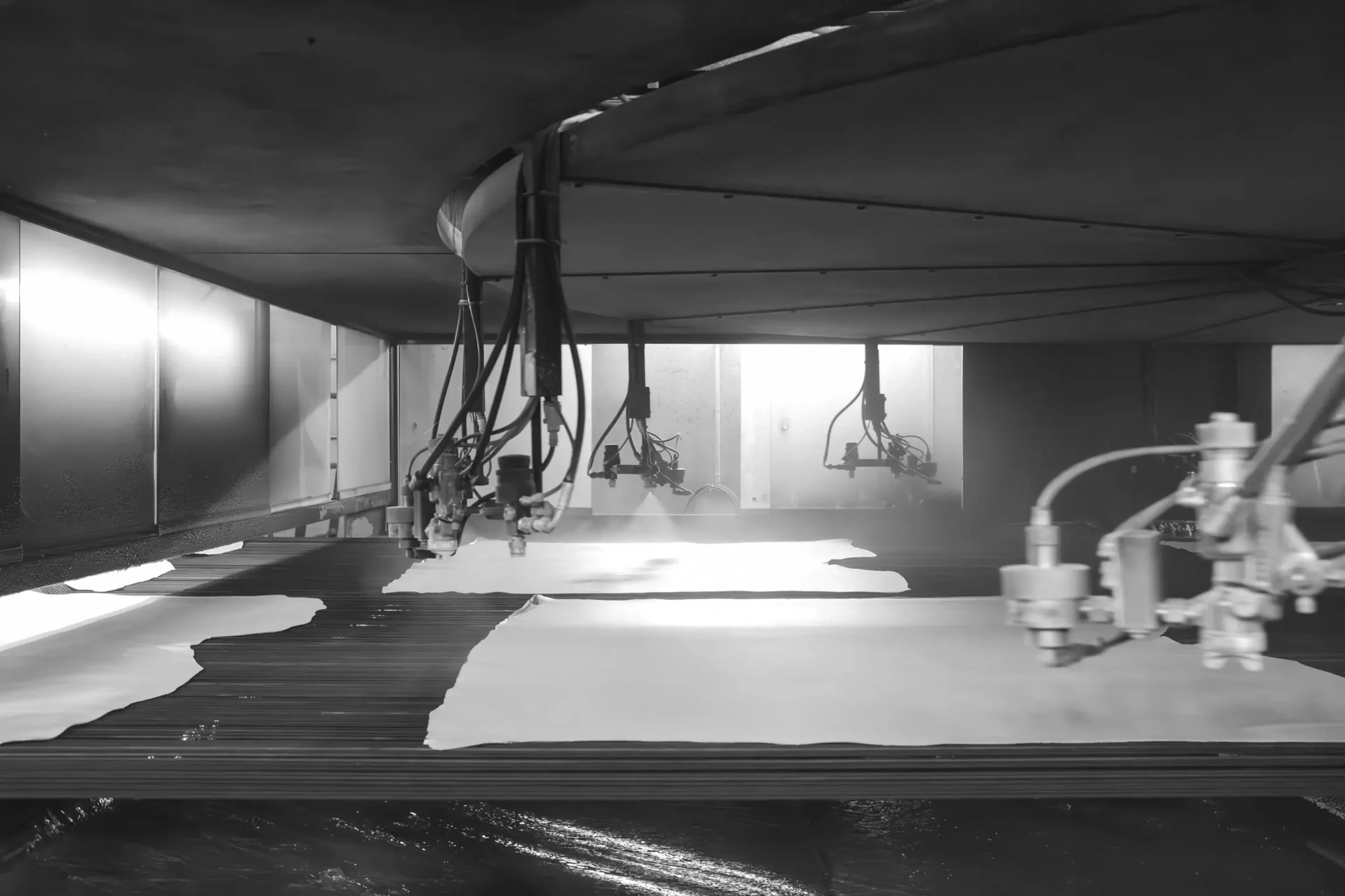
For over fifty years, we have been investing in sustainable technologies and production processes in respect of the environment.
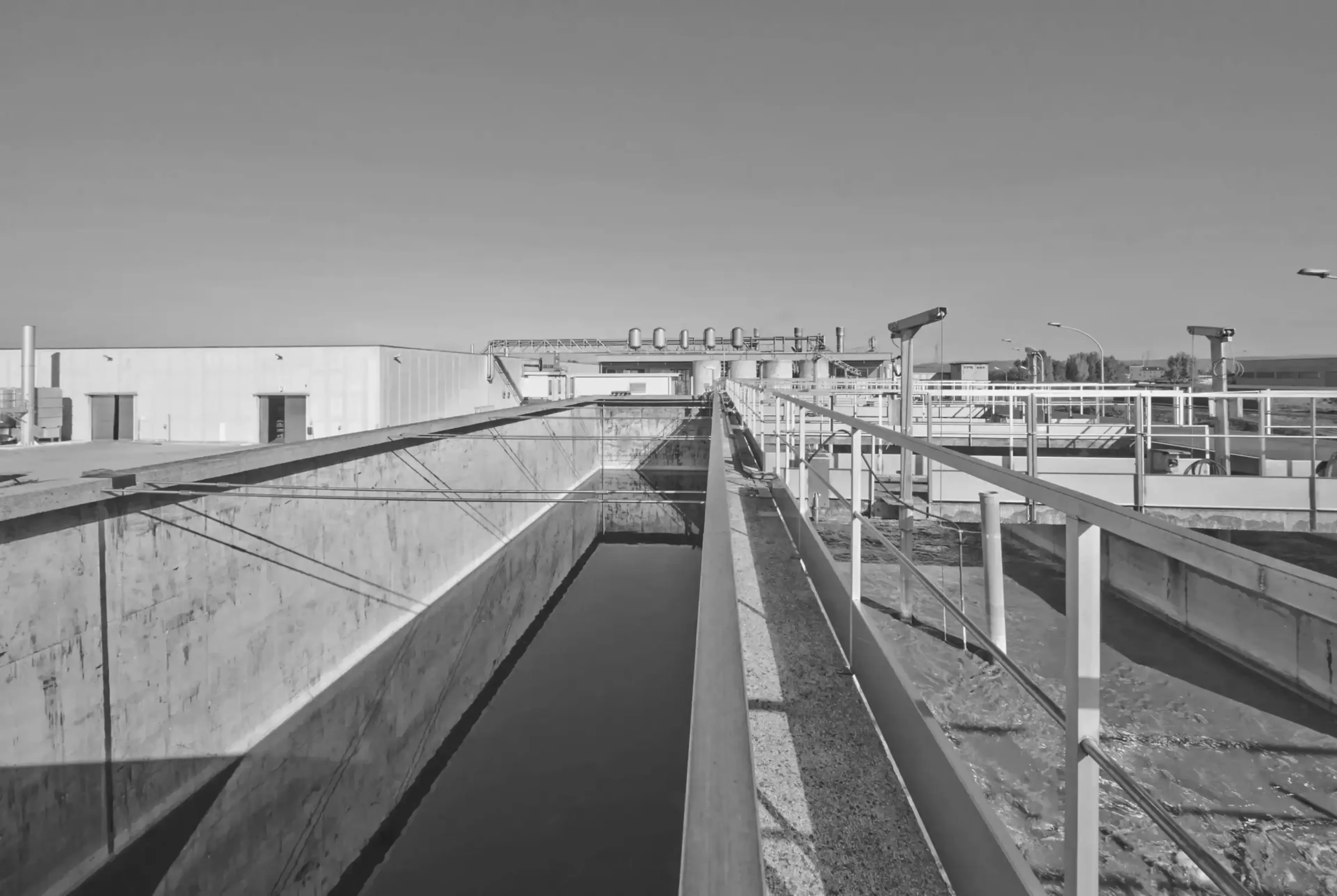
Our commitment to sustainability is reflected in every phase of our production cycle. sirp directly owned and operated water treatment plant allows us to return residual water to nature, as before being borrowed and used during our leather production in both the tanning and finishing processes.
We believe that sustainability and respect for the environment are part of a chain of responsibilities that starts upstream with our partner suppliers and reaches consumers, passing through all the parties involved in the production and logistics cycle.
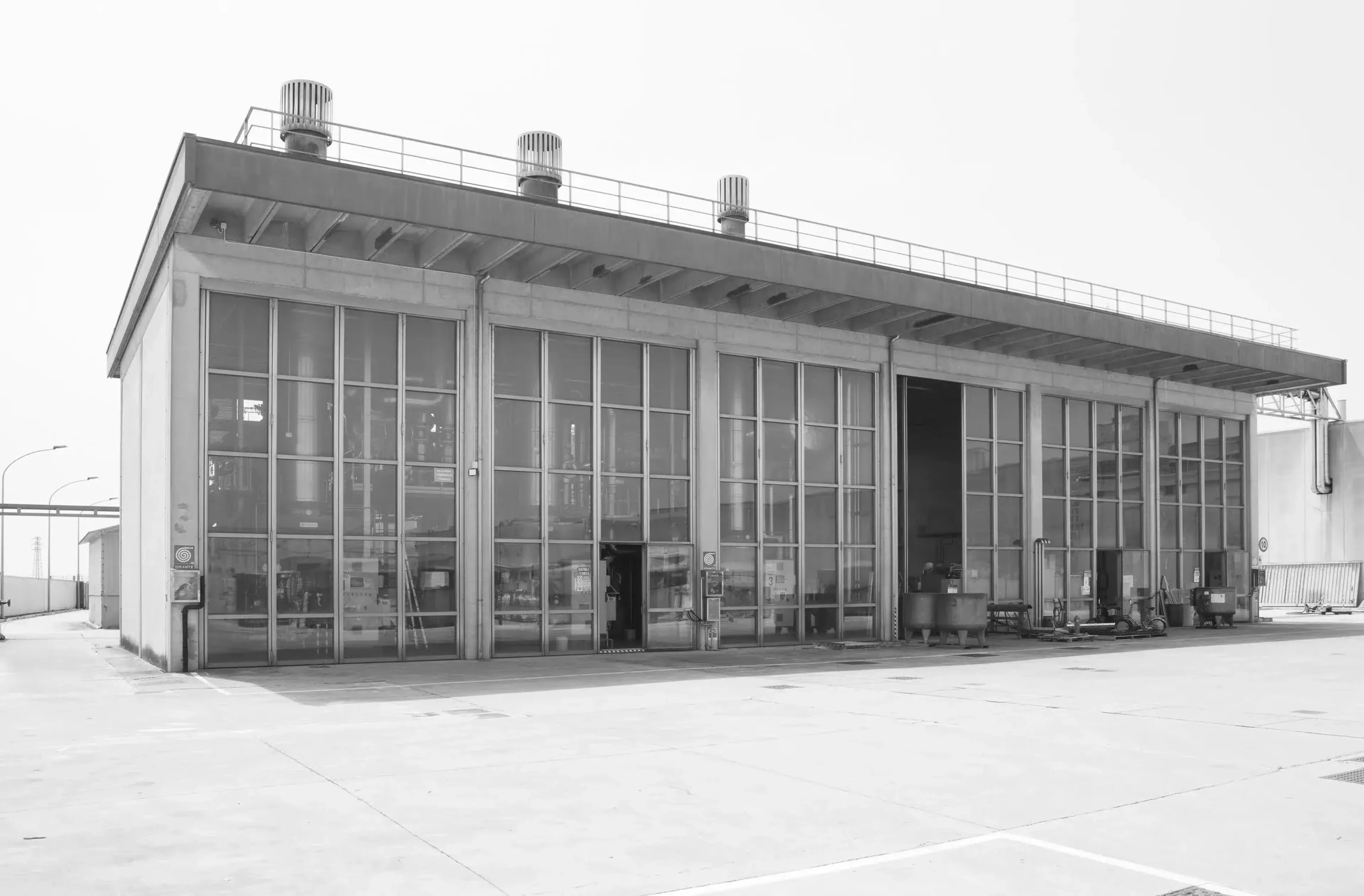
We use water-based compounds in finishing our leathers and we use finishing processes that aim at zero chemical emissions, adhering to both mandatory and voluntary protocols.
Our leather treatment offering includes metal-free and chrome-free options, which are available on demand to clients. And we are continuously working to improve the efficiency of our processes, using less water and natural resources, reducing energy consumption and also optimizing the logistics and transportation impact of finished materials.
We are currently working at the development and introduction of recycled leathers and up-cycled materials to further reduce our carbon footprint.
A further example of our commitment to sustainability is the treatment of residual mud deriving from our directly owned and operated water treatment plant, which is implemented in collaboration with top experts in biotech from the best academic institutions and biotech companies in Italy.
Through a paradigm changing composting process, the mud is transformed into certified compost, which can be used both in industrial and domestic agriculture. This allows us to reduce waste and reduce the environmental impact of our business process.
Sustainability Report
We are currently working towards our full Sustainability Report to map our carbon footprint and the LCA of our leathers.
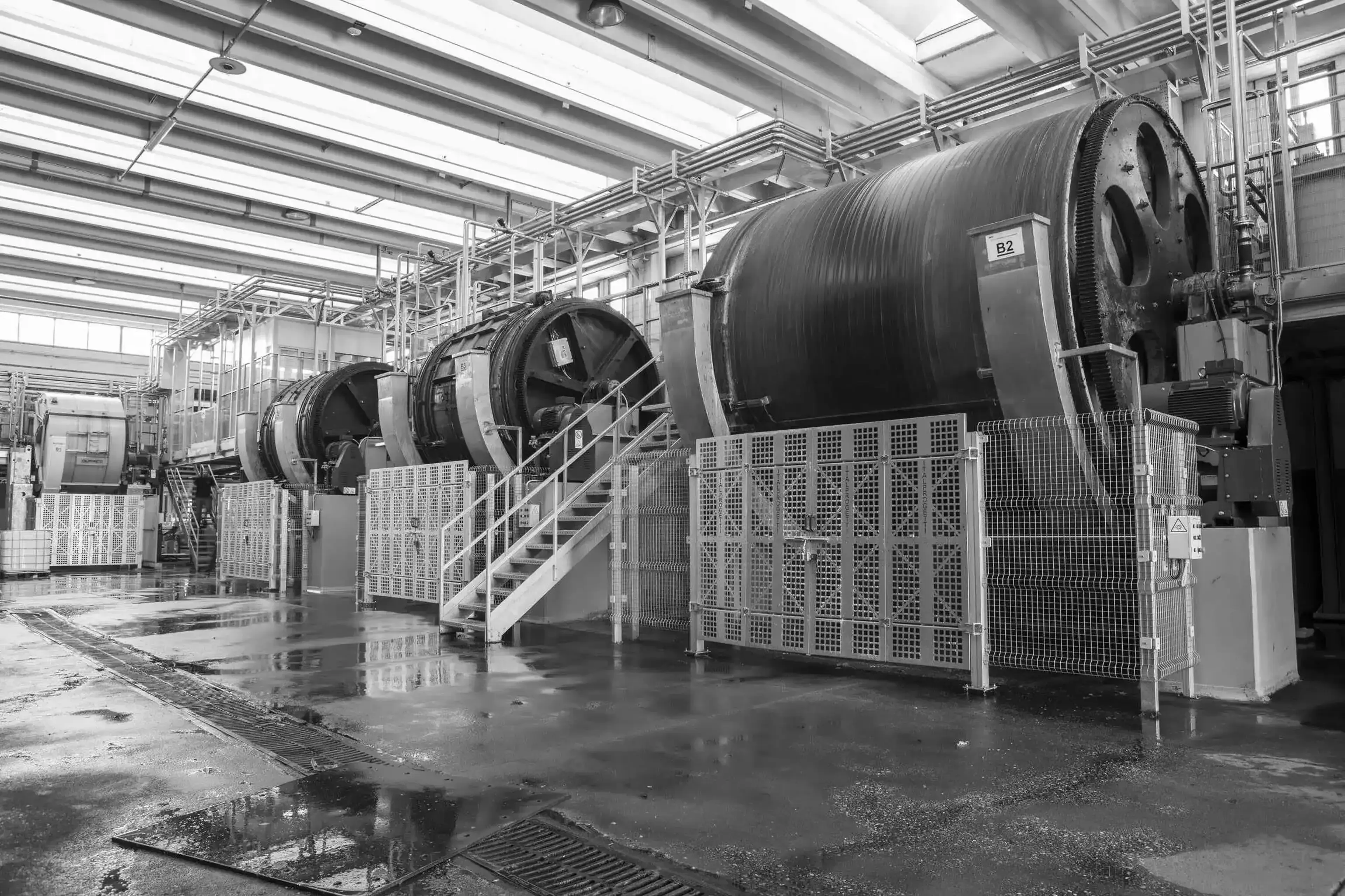
Research and development at sirp are not just about project management and organized processes, but a way of doing things that is intrinsic to every aspect of our daily practices.